
Getting more customers through Google sounds great, but deciding where to spend your marketing budget can be a bit of a headache. Should you invest in SEO and build your organic rankings, or put your money into Google Ads and start reaching potential customers sooner?
Both can work brilliantly for small businesses, although they come with very different costs and expectations. If you’re wondering which one deserves your hard-earned money, we’ll help you figure out where to start.
Making the Most of Your Marketing Budget
When you’re running a small business, you want every pound you spend on marketing to count. And that’s entirely possible with both SEO and Google Ads, provided you’re investing in something that suits your business.
If you’re unsure where to begin, working with an experienced agency like Scale Oxford can help. They offer both SEO and Google Ads services, so you can explore which approach makes more sense for your budget and how quickly you’d like to see results.
SEO vs Google Ads: What’s the Difference?
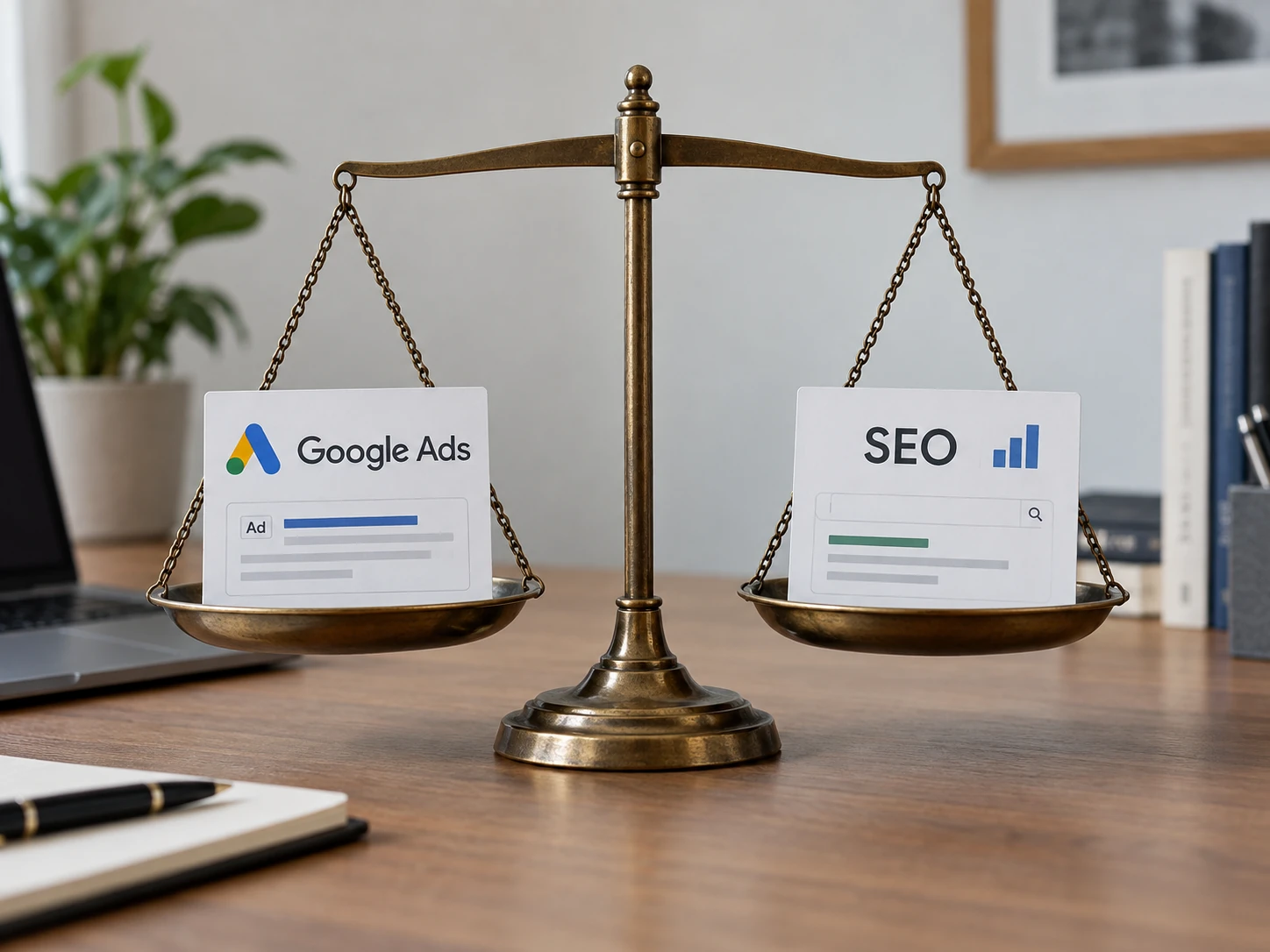
When you search for something on Google, you’ll usually see sponsored results alongside the regular listings. Google Ads is what gets businesses into those sponsored spots. You choose which searches to target, set your budget and usually pay whenever someone clicks your ad. Pretty handy if you want to reach potential customers sooner, although those clicks can get expensive!
SEO, meanwhile, focuses on improving your position in Google’s organic search results. By improving your website and creating genuinely useful content, you can attract visitors without paying Google for every click.
The catch? SEO generally takes longer to produce results, and neither approach guarantees customers. Even a top position is only worth so much if visitors aren’t interested in what you’re selling.
Which Is More Cost-Effective for Small Businesses?
Google Ads gives you pretty good control over your spending. You can set a daily budget and pause your campaigns whenever you like, although the cost of each click depends on how competitive your industry is. In some markets, even a modest advertising budget can disappear surprisingly quickly!
Let’s say you’re paying £2.50 per click. If 20 visitors produce one enquiry, you’ve spent £50 to get that enquiry. That’s potentially a great deal for a business selling £2,000 services, but considerably less exciting if you’re selling £40 products.
SEO works a little differently. You’ll typically pay for website improvements, content creation and ongoing optimisation. It can take months to see meaningful results, but once your pages start ranking, you can attract visitors without paying for every click.
Neither option is automatically cheaper, though. What matters most is how much you’re spending to acquire paying customers and whether those customers bring in enough revenue to justify the investment.
When Should You Prioritise Google Ads?
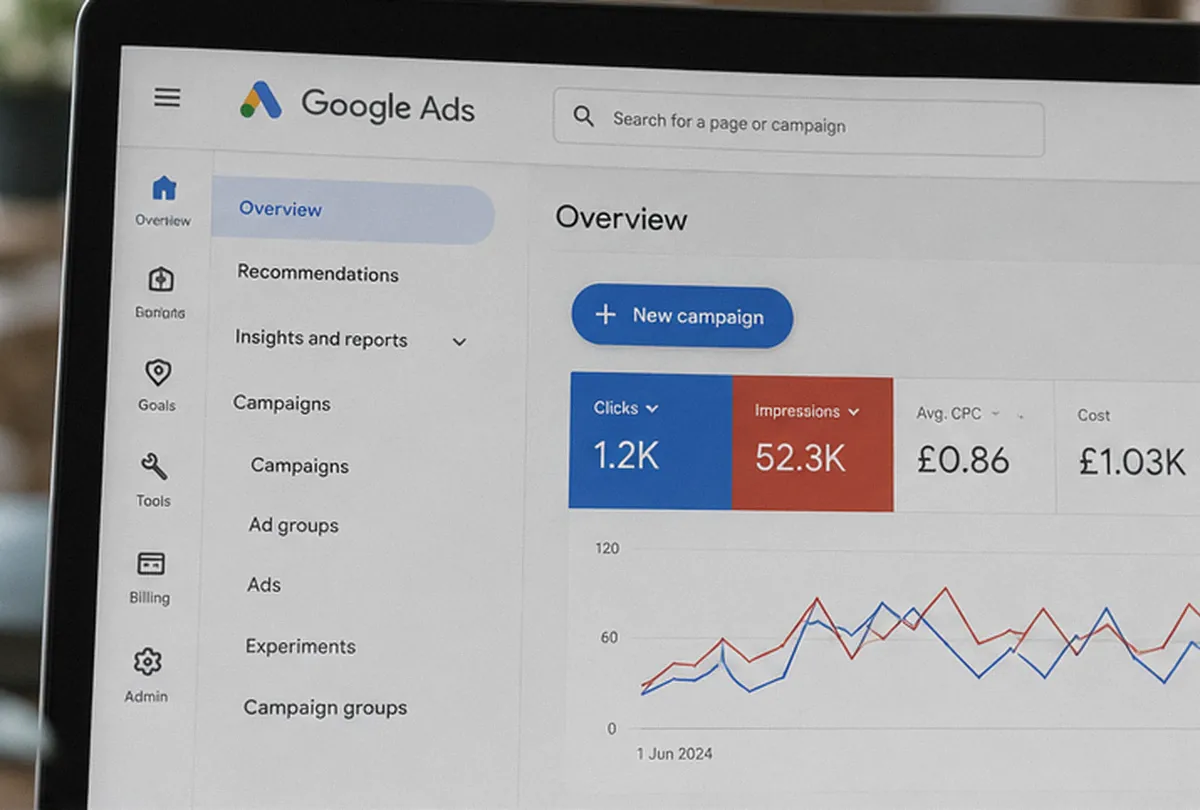
If you need enquiries sooner rather than later, Google Ads is well worth considering. A local electrician with a few empty appointment slots next week, for example, probably can’t afford to wait months for a new service page to climb the rankings. A targeted ad could put their business in front of people already searching for an electrician nearby.
Ads are useful when you’re launching a new service, too. You can find out which searches bring genuine enquiries before committing to a bigger SEO investment.
Just make sure your website is ready for those visitors. Paying to send people to a confusing page with no obvious way to get in touch is a pretty expensive mistake!
When Is SEO the Better Investment?
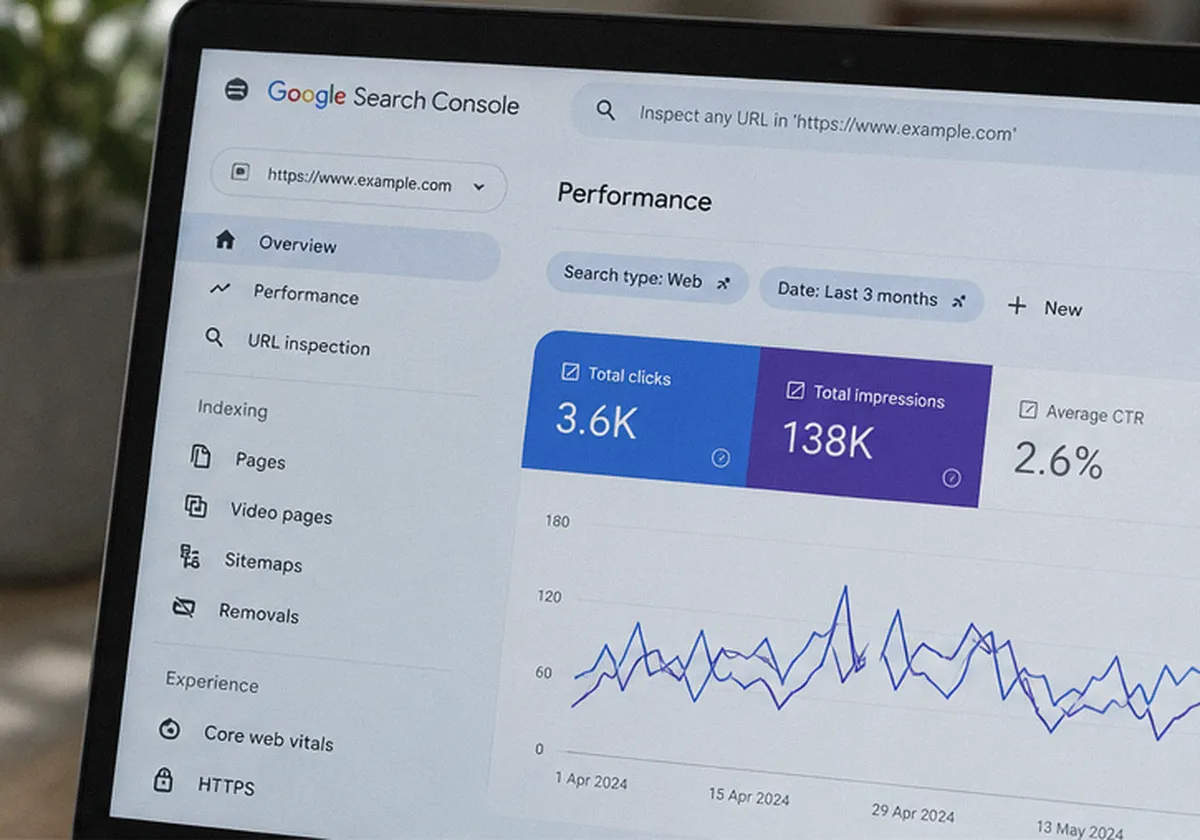
For businesses with steady demand and a bit of breathing room, SEO can be a fantastic long-term investment. A local bookkeeping firm, for example, could attract potential customers through a well-written service page that ranks for relevant searches in its area.
And the lovely thing about SEO is that a page can continue bringing in visitors long after you’ve published it, without charging you for every click.
Local SEO is particularly useful for small businesses, as it helps you reach people searching for services nearby. There’s some patience involved, though. Rankings can fluctuate, competition can be fierce, and you’ll still need to maintain your website to keep those results coming.
Can SEO and Google Ads Work Together?
Absolutely! In fact, combining the two can be a great way to get the best of both worlds.
You could run a small Google Ads campaign to bring in enquiries while gradually building your organic rankings through SEO. And there’s another nice advantage: your ad campaigns can reveal which search terms actually bring in customers, giving you some useful ideas for your SEO strategy.
Of course, you don’t need to invest heavily in both from day one. If your budget is tight, it’s perfectly reasonable to focus on one and introduce the other when your business can comfortably afford it.
So, Which Should Your Small Business Choose?
If you’re looking to bring in new enquiries quickly, Google Ads is probably your best bet. But if you’ve got a little patience and want to build a steady source of organic visitors, SEO can be a brilliant investment.
And if your budget allows you to use both, even better! There’s no reason you have to stick with one forever. What matters is finding an approach that suits your budget and brings in enough paying customers to make the investment worthwhile.
___
Source: ScaleOxford.co.uk