Key Takeaways:
- Paid ads deliver instant results but fade quickly without continued investment.
- Organic reach builds slowly yet offers sustainable, long-term visibility.
- Successful brands balance both methods depending on timing, goals, and resources.
- The key lies in managing trade-offs, not in choosing one strategy over another.
Digital marketing often feels like a tug-of-war between instant results and lasting impact. You might see quick wins through ads one month, then realise your organic reach has slipped the next. It’s a balancing act that many brands struggle with — especially when trying to decide where to put their time and budget.
Think about how most online strategies start. You’re told that paid campaigns can put you in front of people right away. And they can. But that fast traffic comes at a price: the more you spend, the more you’re seen, and when you stop, that visibility disappears just as fast. On the other hand, organic growth can feel painfully slow. It takes months to see results, but once those results start to build, they tend to stay.
This contrast has created one of the most persistent divides in online marketing. Businesses chasing conversions often favour paid clicks for their precision and control, while those focused on brand authority tend to rely on search visibility and content. Understanding what’s gained and lost with each approach is what separates a sustainable marketing plan from one that constantly starts over.
The Short-Term Appeal of Paid Clicks
It’s easy to see why so many businesses fall for the immediacy of paid traffic. You launch a campaign, set your daily budget, and within hours, your website starts attracting visitors. It feels predictable, measurable, and efficient — everything a marketing manager wants when under pressure to show results.
Paid advertising gives you the illusion of control. You can fine-tune demographics, test ad copy, and adjust bids based on performance data. This flexibility makes it an attractive tool for small businesses that can’t afford to wait for organic traction. You know precisely what you’re spending, and you can usually tell what you’re getting back.
But the trade-off is in the lifespan of those results. Paid clicks are transactional; they exist only as long as your budget does. Once the ads stop, so does the traffic. Over time, the cost to maintain that flow tends to rise as competition increases and audiences grow less responsive to repeated messages. It’s not uncommon to see campaigns that once delivered strong returns suddenly become unprofitable without any noticeable change in strategy.
Still, the appeal of instant visibility keeps brands coming back. It’s the closest thing to flipping a switch for traffic, even if that light turns off the moment funding runs out.
The Long Game of Organic Reach
Organic reach works differently. It asks for patience but rewards consistency. Instead of paying for attention, you’re earning it through valuable content, search-friendly site structure, and community engagement. The process can feel slow at first — especially compared to paid ads — but its impact builds steadily.
When you rank for key search terms or develop content that genuinely answers questions your audience is asking, your visibility begins to compound. Search engines start to see your site as a trusted source, and that trust carries forward. It’s not something that disappears the moment you pause activity; it lingers, often drawing in new visitors long after you’ve stopped actively promoting.
What makes organic reach powerful is how it changes the nature of the relationship between brand and audience. A headline or an offer isn’t prompting visitors who find you through search or shared content. They’re choosing to engage. That intent makes their interaction more meaningful and often more profitable in the long term.
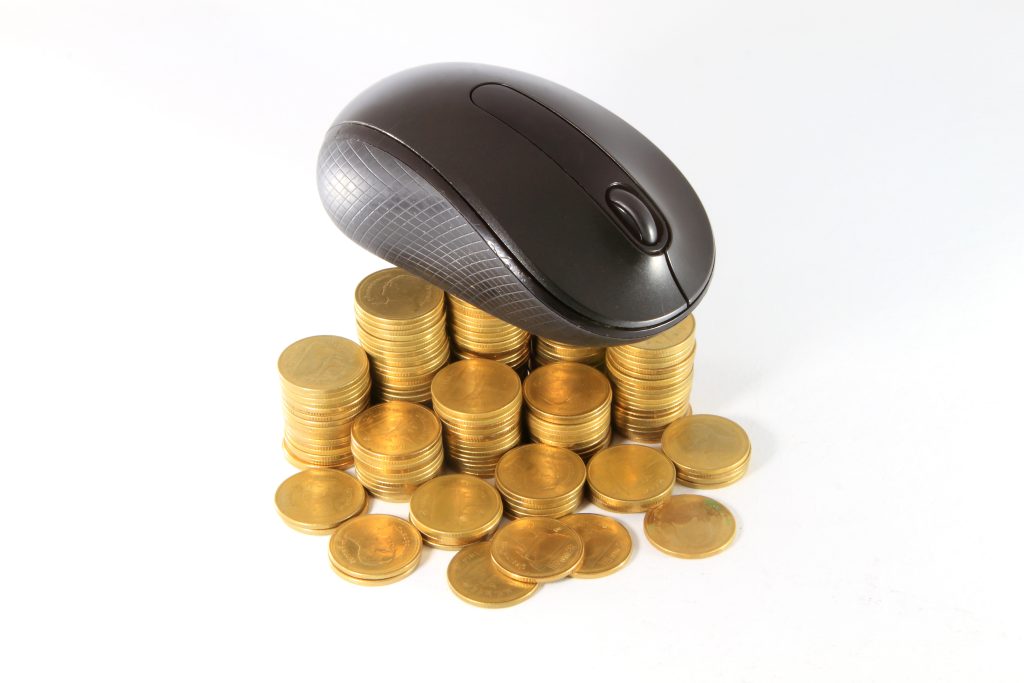
While paid clicks can help you scale quickly, organic visibility provides stability. Together, they can complement each other, but the patience required for organic results often deters brands chasing immediate wins. The truth is that long-term visibility demands more than strategy — it requires persistence and a clear sense of purpose that outlasts campaign cycles.
Few businesses today rely solely on one source of digital traffic. The smartest strategies usually combine short-term advertising with ongoing organic work, letting each support the other in different ways. Paid clicks can keep your brand visible while your organic efforts gain traction, ensuring you’re never completely reliant on either side.
The mix often depends on what stage your business is in. Startups or new product launches tend to lean on paid ads to generate early awareness. Established brands, meanwhile, use those same ads more selectively — to reinforce campaigns or promote seasonal offers — while depending on search-driven content for their steady baseline of visitors.
When comparing SEO vs Google Ads, the balance isn’t about choosing one winner. Instead, it’s about deciding how each channel can serve your goals at different moments. Paid ads give you immediacy and flexibility, letting you respond to trends or push limited-time offers. Organic visibility provides endurance, giving your content a home that continues to perform even when your budget tightens.
What separates strong marketing strategies from fragile ones is how intentionally that mix is managed. Too much focus on paid campaigns can mask weaknesses in your organic foundation. Too little attention to organic optimisation can leave you invisible when competition for ad space grows too steep. The goal isn’t to favour one over the other but to make sure they’re working in tandem rather than pulling in opposite directions.
Hidden Costs Behind Paid Campaigns
While paid ads promise control and predictability, there’s a layer of hidden cost that becomes clear only over time. The first sign often comes when cost-per-click rates start to rise. Competition intensifies, platforms adjust algorithms, and suddenly the same traffic you were paying for last year costs significantly more.
This steady inflation is part of the ecosystem. As more brands flood into the same bidding space, your reach narrows unless you’re willing to increase spend. That can turn what once felt like a scalable strategy into a constant battle to stay visible. For many small and mid-sized businesses, it’s a slow drain that eats into margins long before results begin to slip.
There’s also the issue of dependence. When traffic is tied entirely to ad spend, pausing a campaign often feels impossible. The moment you stop paying, the flow of visitors stops too. This creates a reliance that can make businesses anxious about ever stepping back or reallocating funds to slower-building methods like content or technical optimisation.
Creative fatigue adds another challenge. The same ad visuals or messaging lose impact after repeated exposure, forcing constant refreshes just to maintain performance. That cycle consumes time and resources that could otherwise be used to strengthen long-term visibility.
Paid advertising still has value, particularly for testing ideas or driving quick sales. But the unseen expense isn’t only financial — it’s the opportunity cost of not investing in something that grows beyond the life of a single campaign.

Organic Growth and Its Own Limitations
Building organic visibility is often seen as the smarter, more sustainable path, but it’s not without its drawbacks. The biggest challenge is time. Unlike paid ads, which can show results almost immediately, organic reach unfolds slowly. You can spend months creating quality content, improving your site’s structure, and refining user experience before search engines begin to notice.
That lag can be frustrating, especially for businesses under pressure to deliver measurable outcomes. Search algorithms also evolve constantly, which means what works today might not be as effective six months from now. Staying visible requires continuous attention, technical upkeep, and a willingness to adapt as search behaviour shifts.
There’s also the resource factor. Consistent content creation and optimisation take effort and skill, which smaller teams may struggle to maintain. Without a clear strategy, even the best content can get buried beneath competitors who’ve mastered how to signal relevance to both users and search engines.
Despite these challenges, organic reach remains one of the few marketing assets that retains value over time. Once established, it continues to attract visitors without recurring spend. Unlike ads, the returns compound as your authority grows, offering a type of stability that can’t be bought outright.
When to Lean One Way or the Other
Knowing when to emphasise paid or organic channels often comes down to timing and goals. A business launching a new product or entering a competitive market might benefit from paid campaigns early on, using that visibility to test interest and collect performance data. Those insights can then guide future content strategies and keyword targeting for long-term growth.
Conversely, a brand focused on authority, reputation, or steady lead generation may find greater value in strengthening its organic footprint. Organic visibility supports trust — it signals that your site consistently delivers value without needing constant promotion. For industries where credibility matters, that trust can be worth far more than rapid clicks.
Seasonality also plays a role. Retailers boost ad spending around significant sales periods, then rely on organic channels during quieter months to maintain engagement. Service-based businesses, on the other hand, often balance the two year-round, using paid campaigns to fill short-term demand gaps while nurturing organic traffic as their baseline.
The right balance changes as your business evolves. Early on, paid efforts can help you gain traction. As your brand matures, organic visibility should carry more of the weight. The most effective strategies recognise this shift and adapt accordingly rather than locking into one method.
The Real Trade-Off: Speed vs Sustainability
When you step back, the tension between quick paid traffic and gradual organic reach isn’t really a contest. It’s a reflection of two different marketing mindsets. One chases momentum; the other builds it. Paid campaigns can give you immediate exposure and measurable outcomes, but they require constant funding to survive. Organic reach takes longer, but it creates a foundation that continues to generate results on its own.
The most resilient brands are those that understand when to move fast and when to slow down. They invest in both immediacy and endurance, using short-term visibility to support long-term strength. Digital success isn’t about choosing sides — it’s about recognising that every marketing decision comes with a trade-off, and learning how to make those trade-offs work in your favour.
___
source: rankyou.com.au