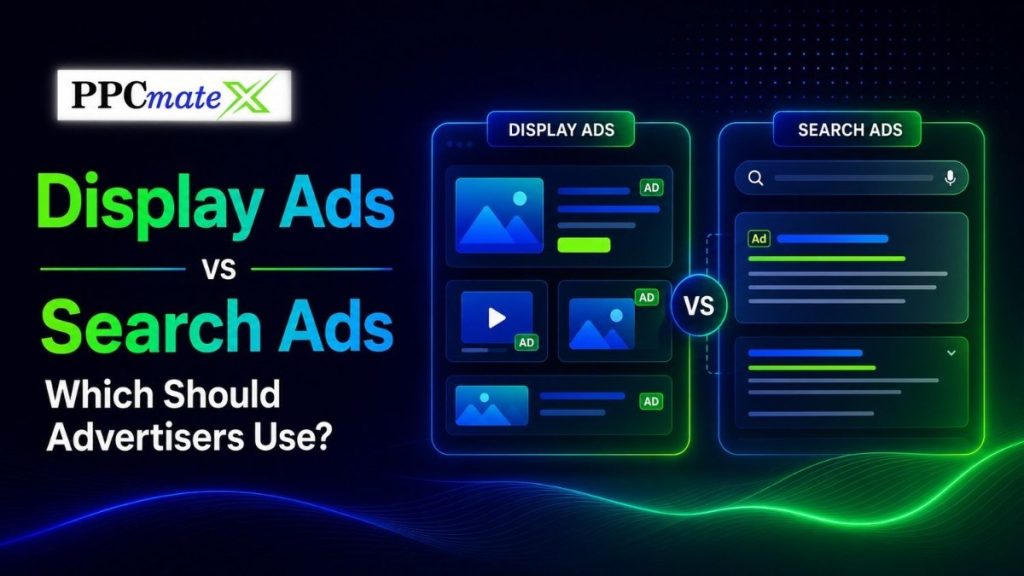
Display Ads vs Search Ads: Which Should Advertisers Use?
Display ads and search ads both help advertisers buy traffic, reach customers, and drive conversions. But they work in different ways. Search ads capture people

Display ads and search ads both help advertisers buy traffic, reach customers, and drive conversions. But they work in different ways. Search ads capture people
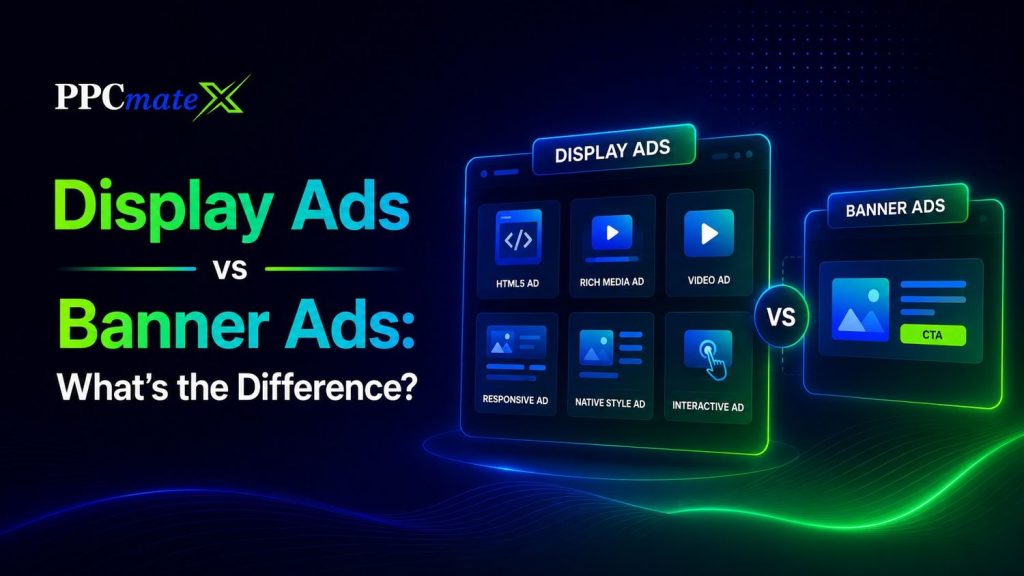
M Display ads and banner ads are closely related, but they are not exactly the same. When comparing Display Ads vs Banner Ads: What’s the
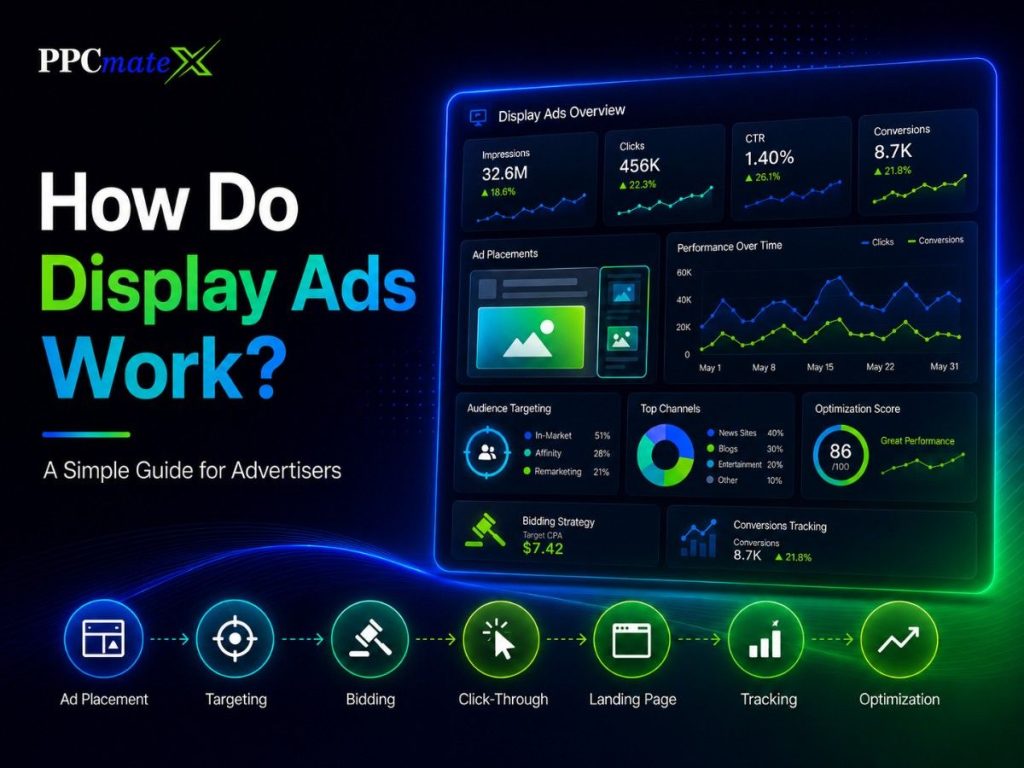
Display ads help advertisers reach people while they browse websites, use apps, read content, or move across digital pages. To understand how do display ads
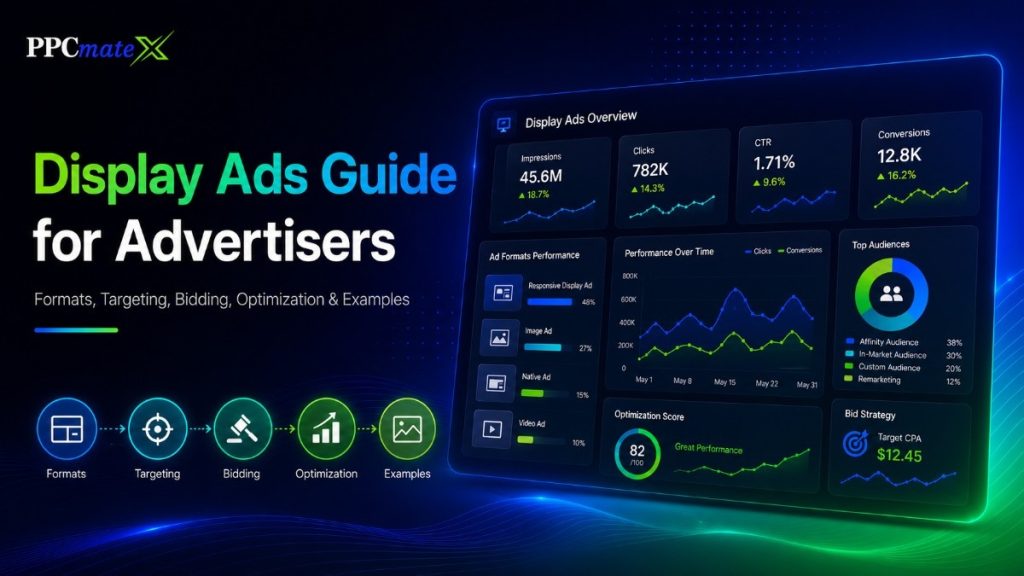
Display ads help advertisers reach users with visual messages across websites, apps, and digital placements. They are useful for brand awareness, traffic, lead generation, e-commerce
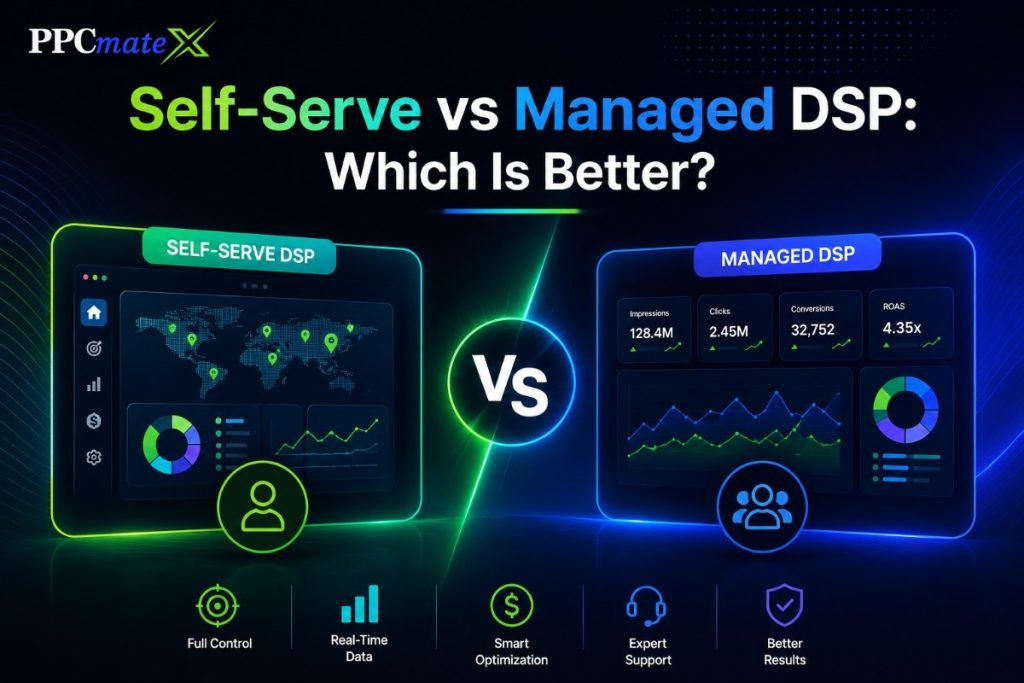
Choosing between a self-serve vs managed DSP is an important decision for advertisers who want to buy programmatic traffic with the right balance of control,
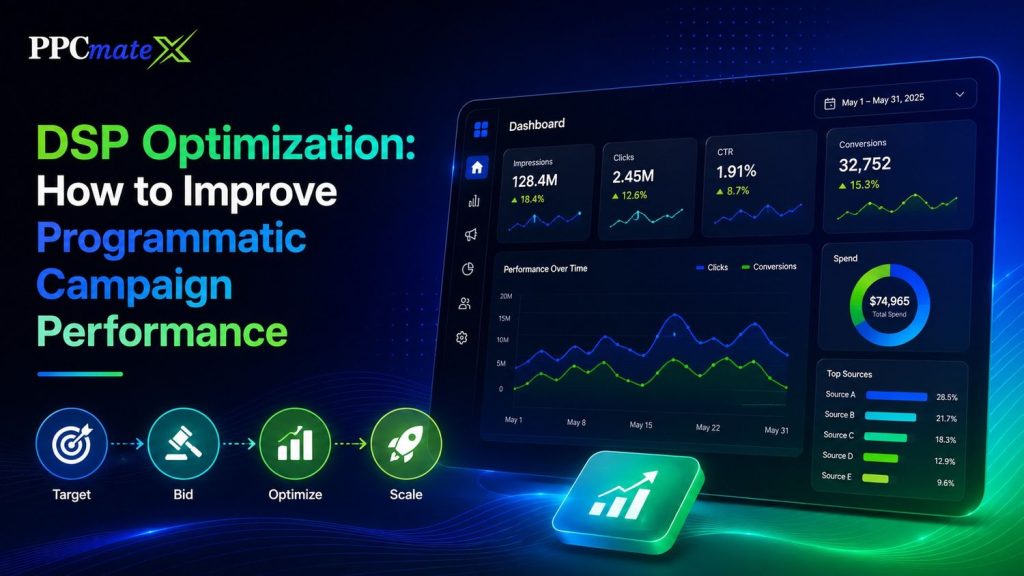
DSP optimization is the process of improving programmatic ad campaigns after launch. It helps advertisers spend budget on better traffic, reduce weak placements, test creatives,
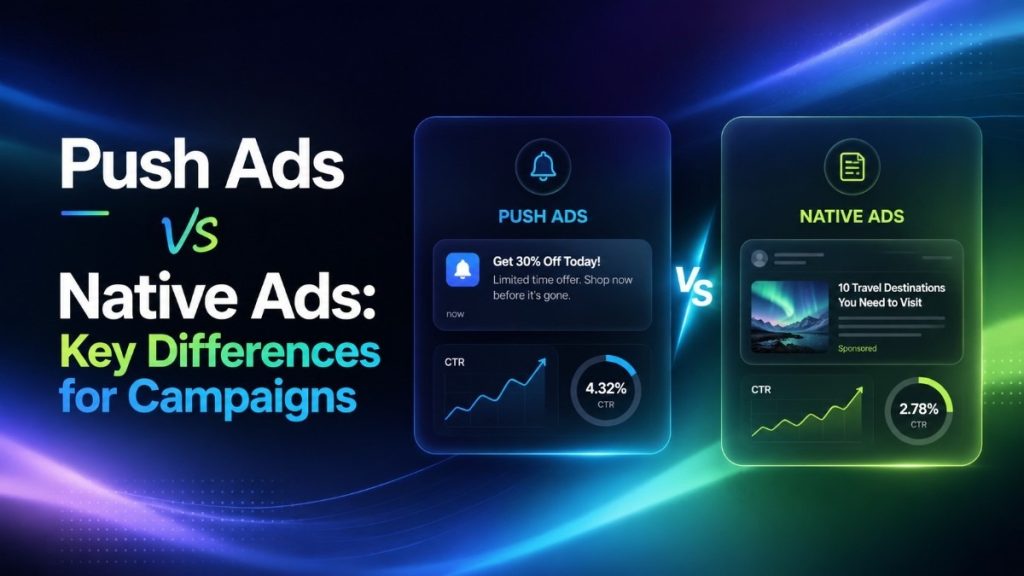
Push ads and native ads are two popular formats for advertisers who want more traffic, better testing options, and stronger campaign control. Both can drive
Push ads and popunder ads are both direct-response ad formats. Advertisers use them to drive visits, leads, sales, app installs, and offer testing. The better
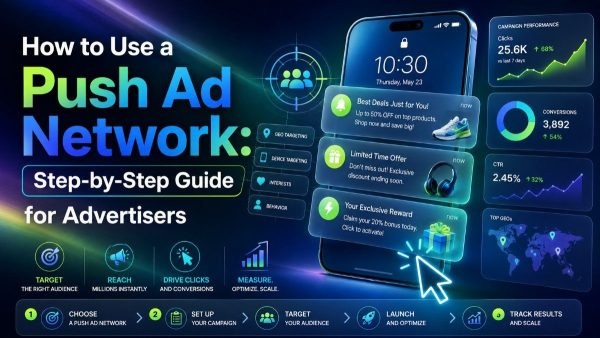
Push ads can help advertisers reach users with short, direct messages on mobile and desktop devices. They are useful for traffic, lead generation, app installs,