How to Read a Source-Level Report and Decide What to Cut
How to Read a Source-Level Report and Decide What to Cut Every programmatic campaign eventually produces the same uncomfortable picture: the campaign total looks acceptable,

How to Read a Source-Level Report and Decide What to Cut Every programmatic campaign eventually produces the same uncomfortable picture: the campaign total looks acceptable,
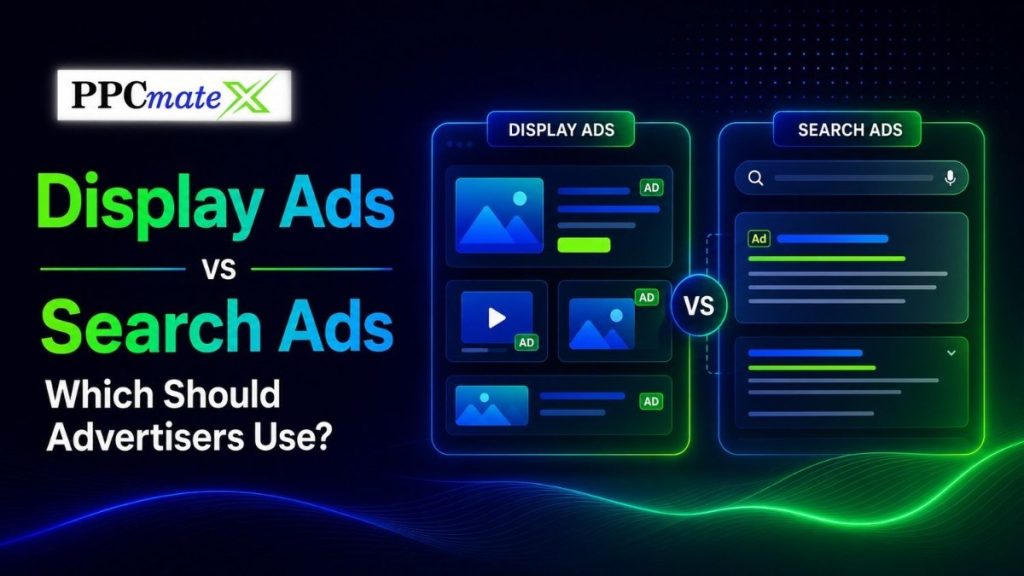
Display ads and search ads both help advertisers buy traffic, reach customers, and drive conversions. But they work in different ways. Search ads capture people
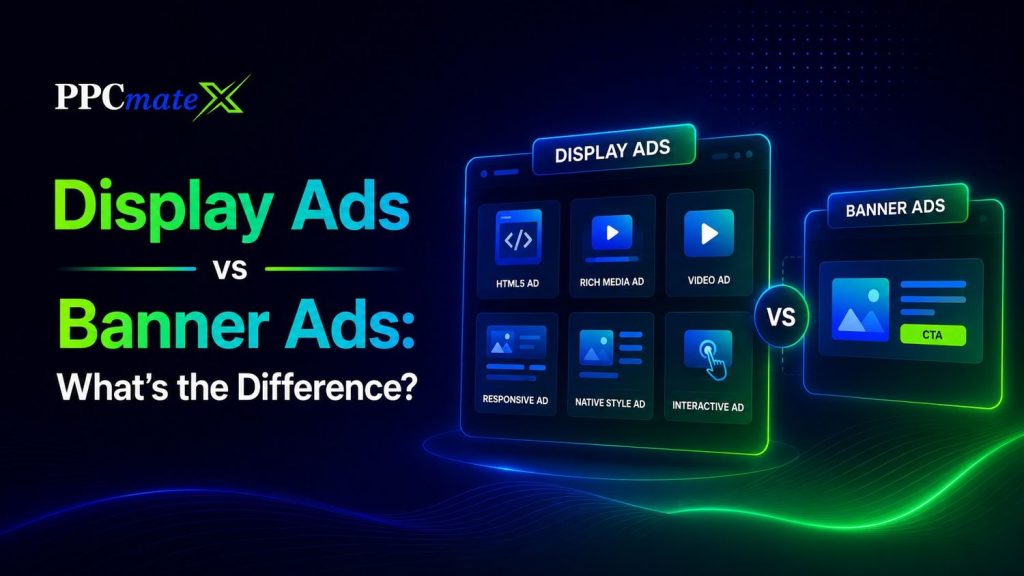
M Display ads and banner ads are closely related, but they are not exactly the same. When comparing Display Ads vs Banner Ads: What’s the
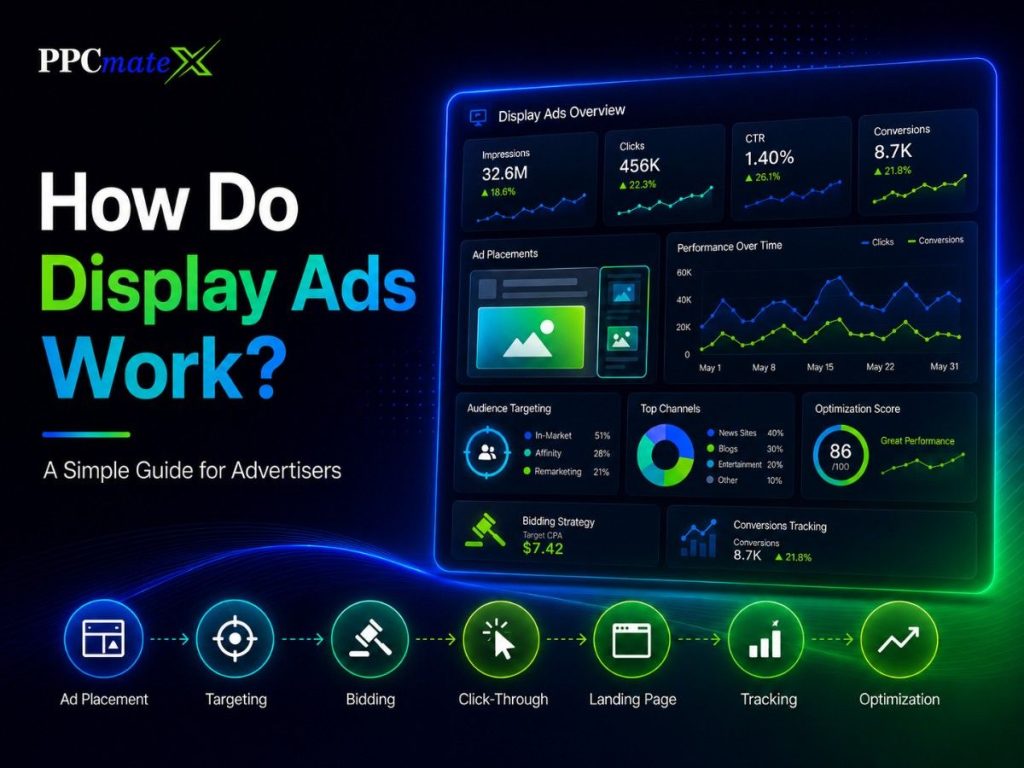
Display ads help advertisers reach people while they browse websites, use apps, read content, or move across digital pages. To understand how do display ads
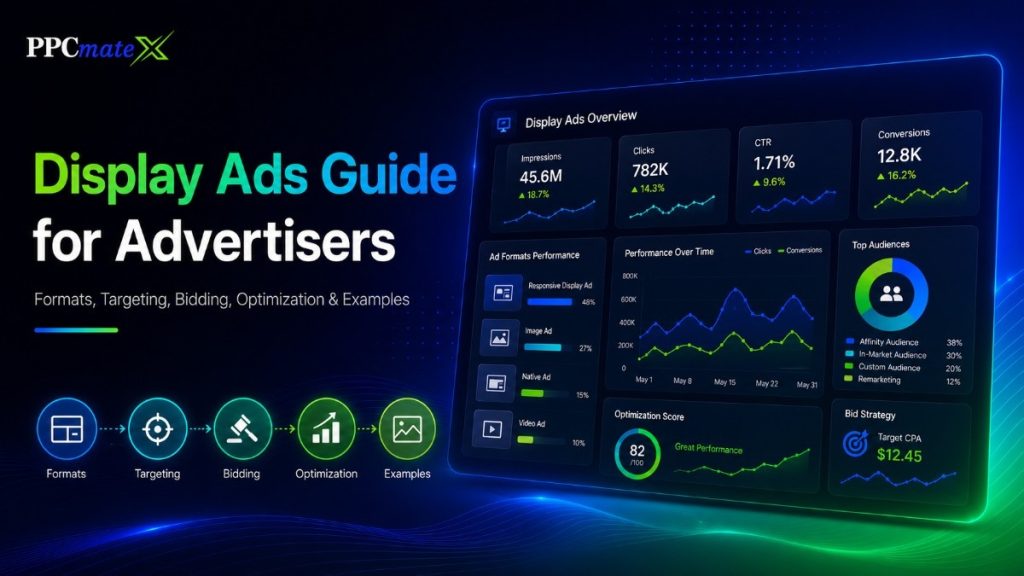
Display ads help advertisers reach users with visual messages across websites, apps, and digital placements. They are useful for brand awareness, traffic, lead generation, e-commerce
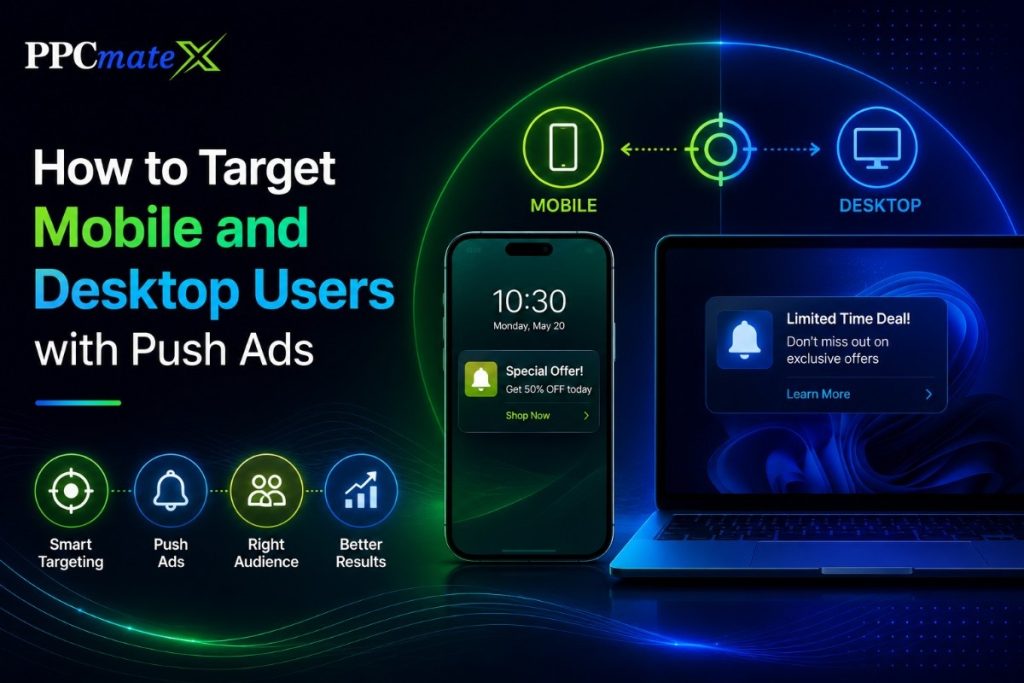
Understanding mobile vs desktop push ads is important for advertisers who want better control over targeting, bids, creatives, and campaign performance. Push ads can reach
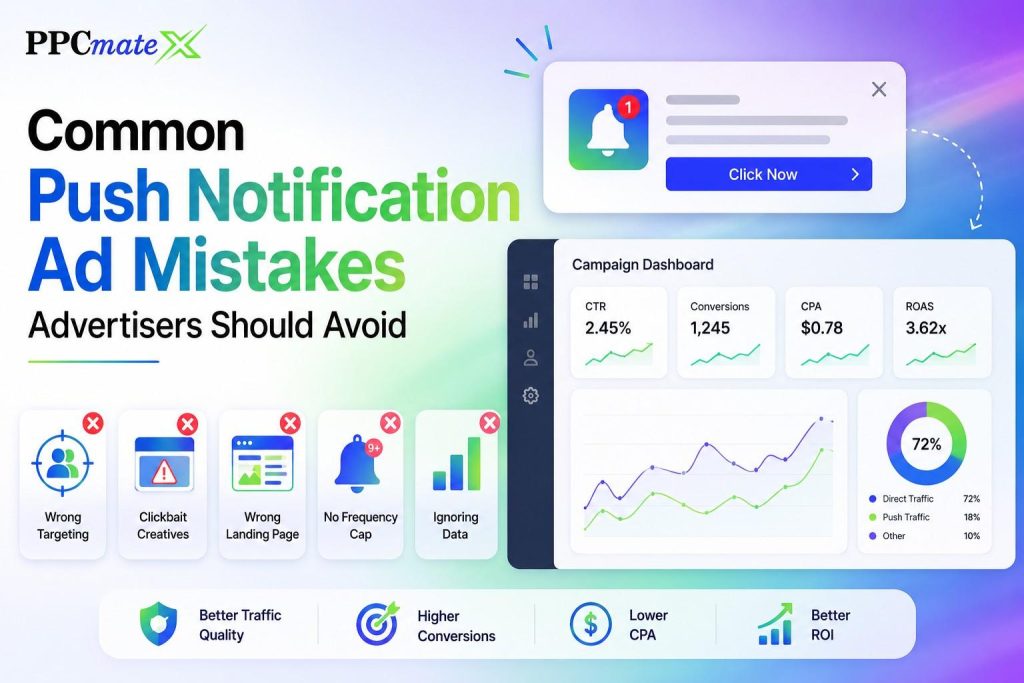
Push notification ads can drive fast clicks, broad reach, and strong direct-response results. But they can also waste budget when campaigns are too broad, poorly
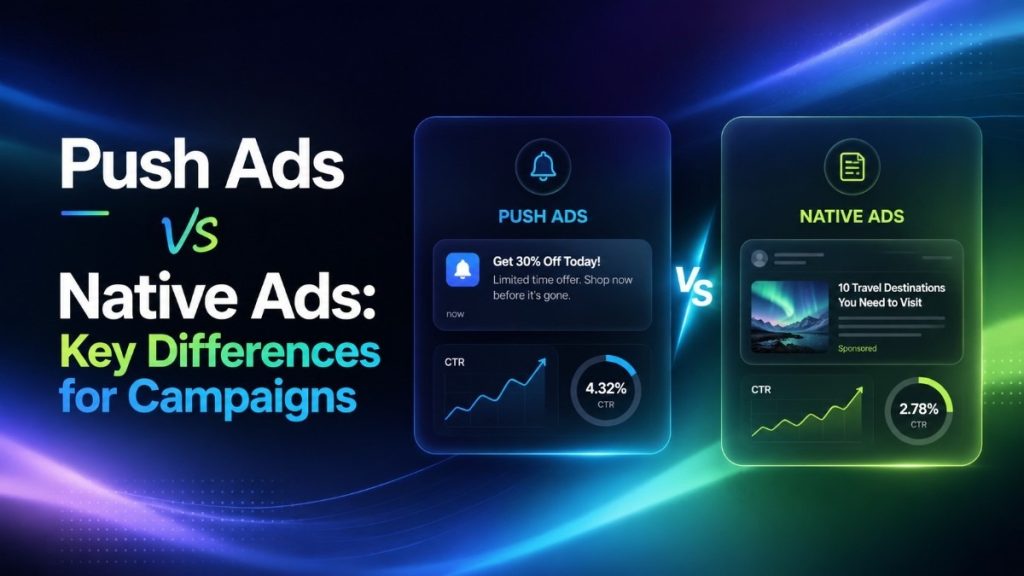
Push ads and native ads are two popular formats for advertisers who want more traffic, better testing options, and stronger campaign control. Both can drive
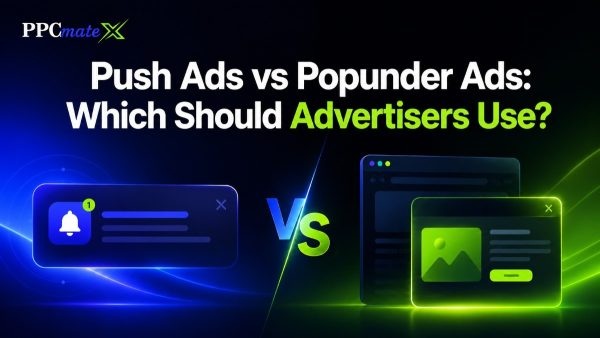
Push ads and popunder ads are both direct-response ad formats. Advertisers use them to drive visits, leads, sales, app installs, and offer testing. The better