
Channel after channel had nothing but infomercials. Who is watching this stuff? I wondered. Then I realized I already knew the answer. The target audience for cable are those who aren’t using the Internet.
I was inspired to do a bit of research to see if my hypothesis was valid, and discovered that according to the Pew Research Center, 13% of Americans DON’T use the Internet. In the year 2000, the percentage was 48%, so you can see how Internet use has consumed us over the years. Those who have yet to use this new-fangled technology cite reasons such as being “too old” to learn or “not thinking the Internet is relevant” to their lives.
As a business owner, executive, investor or entrepreneur, you want to be where your customers are, don’t you? If your primary target audience falls into the 87% of Americans who DO use the Internet then you need to be aware of my findings.
I decided to keep digging into the data. The result is my case for digital marketing that you can’t ignore:
I further found out from the Pew Research Center, that when it comes to social media, nearly 70% of the population uses one of the top five platforms. Facebook (FB) is number one, and 79% of US Internet users are on Facebook. Instagram, Twitter (TWTR), Pinterest and LinkedIn round out the big five. Nearly ¾ of Facebook users and half of Instagram users visit these sites at least one time per day.*
If you think online advertising and PPC (pay per click) is a waste of time, numbers from Search Engine Watch might change your mind. According to their survey from August of 2016, 55% of searchers don’t know which links on the SERP (search engine results page) are PPC ads. That means more than half of your potential customers don’t realize your PPC campaigns are actually paid advertising. Also, 50.6% who were shown a screenshot could not identify which links on a SERP were PPC.
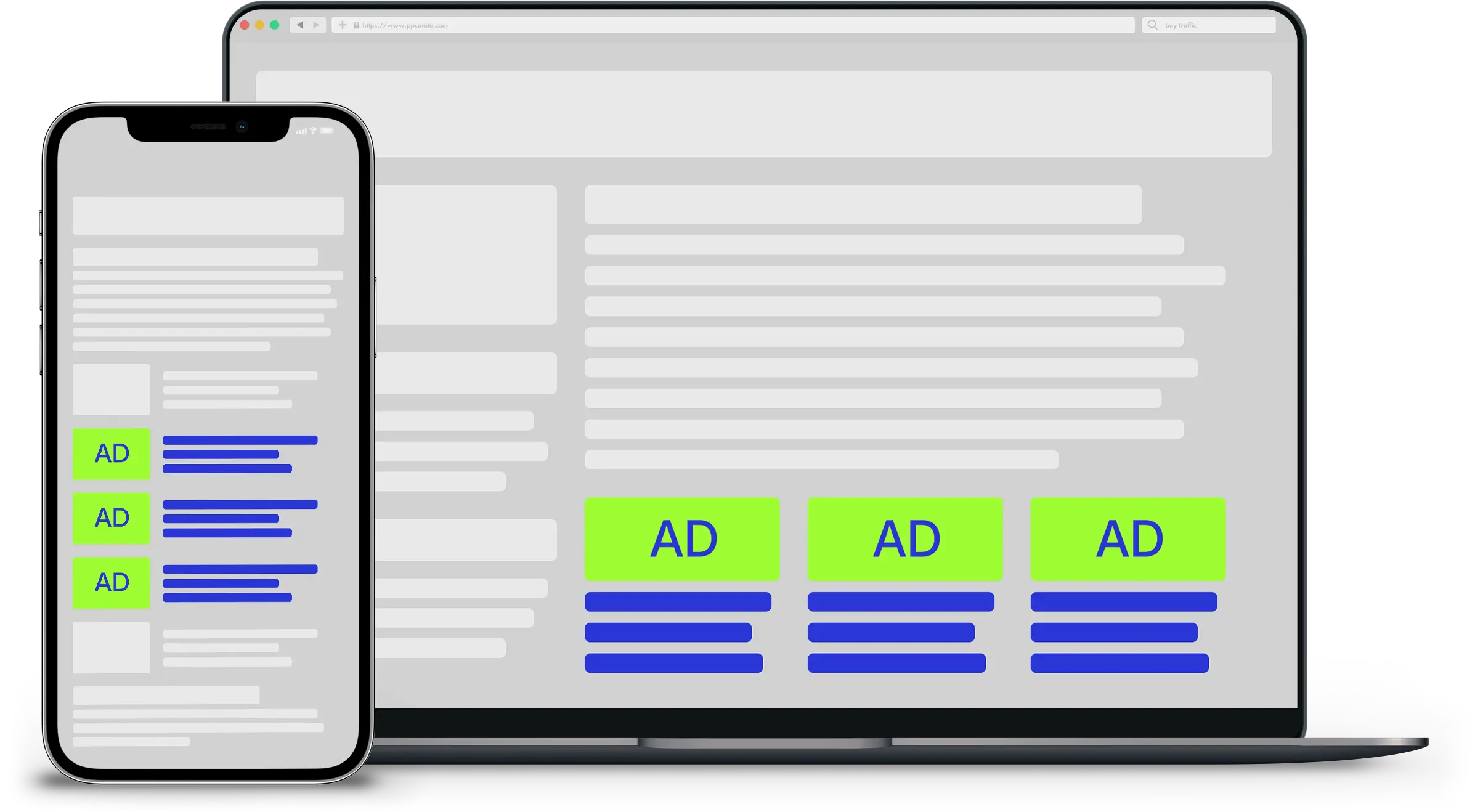
When it comes to banner ads, the response, as you probably suspect, isn’t too positive. According to MarketingLand, only 2.8% of those surveyed thought that ads on websites were relevant. The good news? Native advertising, which is like a combination of PR and PPC, was called “less intrusive by 44% of respondents. 27% even went on to cite native advertising’s “better user experience”.
Interactive ads and engaging paid content like Facebook’s carousel ads, infographics on Pinterest and Instagram, and video ads, can be informative, engaging, and provide a positive user experience. The point is, don’t think like an old school digital marketer and simply throw banner and display ads against the wall. Be creative and develop innovative ways to engage your target demographic.
The bottom line, digital marketing and social media are now integrated into our culture. A website, a social strategy, content, and SEO are the backbone for nearly every business. Your customers are online, and you need to meet them there to deliver your message.
___
by Desireé Duffy
source: equities